
import { CalloutBox, ComparisonBox, DataTable } from '@/components/mdx';
ICE to EV Conversion: Opportunities for UK Garages
Converting existing internal combustion engine (ICE) vehicles to electric is a growing niche in the UK. For independent garages, it offers a way to stand out, attract enthusiasts and classic car owners, and build a reputation in a market that franchised dealers rarely serve. Storing conversion work on a digital service history and using custom 3D printed parts for one-off and rare vehicles are two practical ways to capitalise.
This guide explains how garages can position themselves for ICE-to-EV conversion work, why digital service history matters for converted vehicles, and how 3D printing fills the parts gap on rarer builds.
Why ICE-to-EV Conversion Matters for Garages
Demand for electric conversions is driven by classic car owners, fleet operators extending the life of existing vehicles, and enthusiasts who want to keep a specific car on the road without relying on obsolete or expensive ICE parts. Most franchised dealers do not offer conversion work, which creates space for independents who invest in the right skills and documentation.
Garages that offer conversions can:
- Differentiate from local competitors – conversion work is specialised and visible
- Charge premium labour – custom engineering and integration justify higher rates
- Build long-term relationships – conversions often involve multiple visits and ongoing support
- Attract high-value customers – classic and rare vehicle owners invest heavily in their cars
For more on how independents can thrive as the market shifts, see: Will Independent Garages Survive the EV Transition?
Storing Conversions on Digital Service History: Why It Matters
A converted vehicle has a unique history: which donor parts were used, how the battery and motor were integrated, and who did the work. If that history lives only on paper or in one garage's filing cabinet, it is hard for the next owner, insurer, or buyer to trust.
Digital service history that follows the vehicle solves this. When you record conversion work on a platform like AutoChain, the record stays with the car. Any garage in the network (and the owner) can see what was done, when, and by whom.
Benefits for Garages
Practical steps: Log every major conversion stage—battery install, motor and gearbox fitment, wiring, BMS integration, and final sign-off—as separate jobs on the vehicle's digital service history. Add notes and parts used so the record is useful for future owners and other garages. When the vehicle is sold, the new owner can transfer ownership and keep the full history in one place.
Custom 3D Printed Parts for One-Off and Rare Vehicle Conversions
Many conversion projects involve vehicles where off-the-shelf brackets, mounts, or trim simply don't exist. Classic Minis, MGBs, Land Rovers, and rarer modern cars often need one-off adapters, battery trays, cable guides, or interior pieces. 3D printing is well-suited to these low-volume, custom parts.
Where 3D Printing Fits in Conversions
Ideal applications:
- Battery box mounts and brackets – custom geometry to suit chassis and cell layout (non-structural; use approved mounting strategy)
- Cable routing clips and guides – keep HV and LV wiring tidy and away from heat/movement
- Adapter plates – motor or gearbox adapters where no OEM part exists (engineered and verified, not purely printed for high torque)
- Interior trim – console modifications, switch panels, display mounts
- Cooling ducting – battery or inverter cooling where space is tight
- Sensor and BMS brackets – mounting small components in bespoke locations
Why it works: EVs run cooler than ICE vehicles and have fewer high-heat zones, so materials like PET-CF are well within safe limits for many under-bonnet and cabin applications.
Avoid printing:
- Structural battery mounts that take crash or weight loads
- Brake, steering, or suspension components
- High-voltage cable insulation or supports in critical isolation areas
- Parts that must meet specific mechanical or fire ratings without verification
For these, use properly engineered and tested solutions. See 3D Printing Car Parts: What's Safe and What Works for boundaries.
Running a UK garage?
Independent UK garages use AutoChain to win more repeat work, cut admin, and compete with national chains.
Get your first month free →Rare and Classic Vehicles: The Parts Gap
On rare or classic vehicles, OEM and aftermarket parts are often discontinued. 3D printing lets you produce one-off or small-batch parts without tooling costs:
- Bracket and mount designs – scan or measure, then print in PET-CF or similar
- Trim and bezels – interior and exterior pieces that are no longer available
- Prototyping – test fit and geometry before committing to metal fabrication
Garages that combine conversion capability with in-house or partner 3D printing for automotive can offer a full package: design, print, fit, and document on digital service history.
How to Position Your Garage for Conversion Work
Skills and Training
Conversion work crosses mechanical, electrical, and software disciplines. EV training—especially high-voltage safety (e.g. IMI Level 2–3)—is essential. You need to understand battery systems, BMS, inverters, and charging, as well as how to document and certify work for insurers and buyers.
Equipment and Partners
- Diagnostics and HV tools – isolation testing, HV gloves, proper signage
- 3D printer (in-house or reliable partner) – for brackets, clips, and one-off parts; see Best 3D Printers for Automotive Car Parts
- Garage management and digital service history – AutoChain or similar so every conversion stage is recorded and follows the vehicle
Marketing and Trust
- Case studies – before/after, parts used, timeline, stored on the vehicle’s digital history
- Clear pricing – conversions are project-based; outline stages and ballpark costs
- Emphasise documentation – “Every conversion we do is fully recorded on the vehicle’s digital service history” is a strong trust signal for buyers and insurers
Summary: Capitalising on ICE-to-EV Conversions
| Lever | How it helps garages |
|---|---|
| Digital service history | Record every conversion stage; record follows the vehicle and supports resale value and liability protection |
| 3D printed custom parts | Solve one-off and rare-vehicle parts gaps (brackets, mounts, trim) without tooling |
| EV and HV training | Safe, insurable work and confidence for customers |
| Clear documentation | Buyers and insurers can verify the build; your garage stays associated with the car |
Garages that combine conversion capability, digital service history, and targeted use of 3D printing for non-structural parts are well placed to capture demand from classic car owners, enthusiasts, and fleets—and to keep that work visible and verifiable long after the conversion is done.
Frequently Asked Questions
What is an ICE-to-EV conversion?
An ICE-to-EV conversion is the process of replacing a vehicle's internal combustion engine (petrol or diesel) and related systems with an electric motor, battery pack, and associated electronics so the vehicle runs on electricity. It is often done on classic cars, rare models, or fleet vehicles where the owner wants to retain the body/chassis but switch to electric drive.
Why should garages record conversion work on digital service history?
Because conversions are non-standard and affect value and safety, buyers and insurers need to verify what was done, when, and by whom. A digital service history that follows the vehicle gives a single, accessible record. Garages that use it look more professional and help converted vehicles hold their value and remain insurable.
Can 3D printed parts be used in EV conversions?
Yes, for non-structural, non-safety-critical applications. Custom brackets, cable guides, trim, adapter plates (where load is managed elsewhere), and similar one-off parts are good candidates. EVs run cooler than ICE vehicles, so many 3D printing materials suitable for EVs are adequate. Never 3D print structural battery mounts, brake/steering/suspension parts, or high-voltage insulation without proper engineering.
How do I store conversion records on AutoChain?
Use AutoChain's digital service history as part of your garage management workflow. Create jobs for each major conversion stage (e.g. battery install, motor fitment, wiring, BMS, final sign-off), log parts and labour, and add notes. The record is tied to the vehicle and stays with it when the owner uses transfer of ownership on sale.
Are ICE-to-EV conversions legal in the UK?
Yes, subject to regulations. The vehicle must be re-registered with the DVLA (e.g. fuel type change), pass MOT where applicable, and meet construction and use requirements. Insurers need to be informed; some specialist insurers cater to converted vehicles. Keeping a full digital service history of the conversion supports both MOT and insurance.
Related Articles
3D Printing (Pillar):
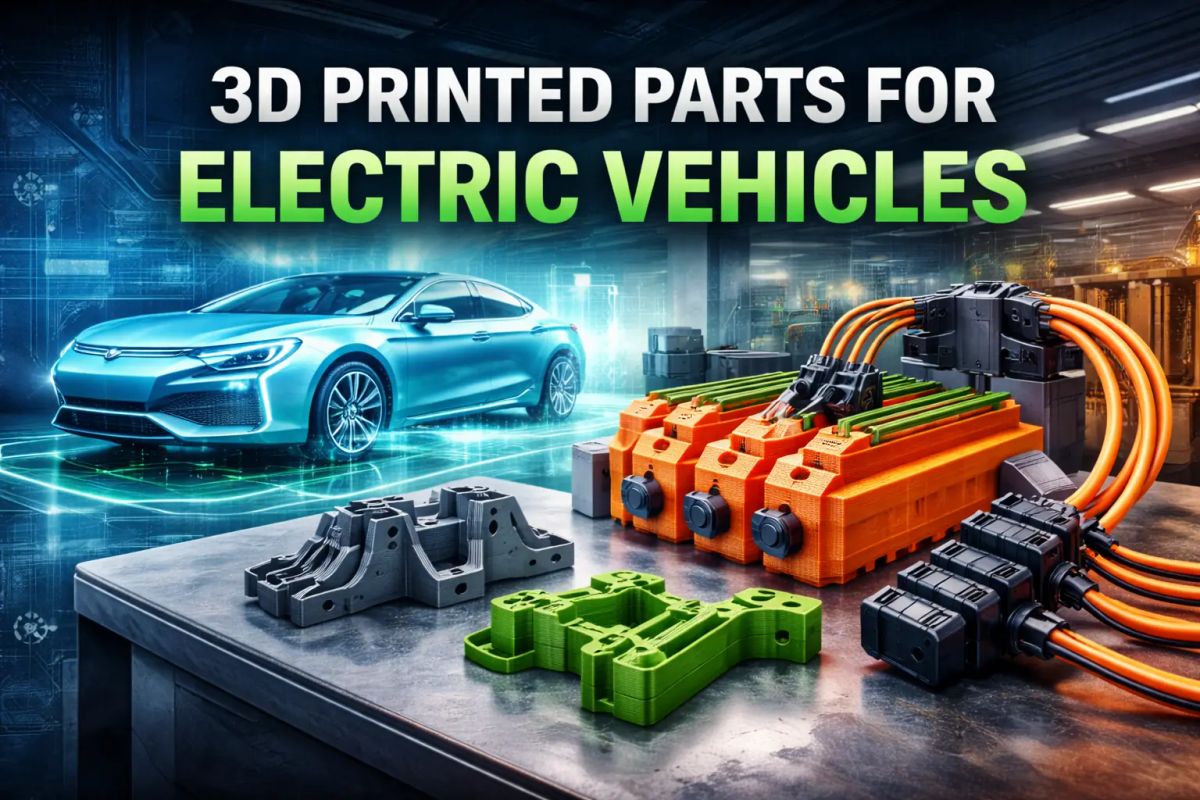
- 3D Printed Parts for Electric Vehicles – Why EVs suit 3D printing and which parts work
- 3D Printing Car Parts: What's Safe and What Works – Safety and material guidance
- Best 3D Printers for Automotive Car Parts: UK Guide – Equipment for garage use
Digital Service History & Garages:
- What is a Digital Service History? – UK drivers guide
- How Service History Increases Resale Value – Why documentation matters at sale
- Garage Management Software – AutoChain for workshops and digital records
EV and Garage Future:
- Will Independent Garages Survive the EV Transition? – Challenges and opportunities
- EV Training for Independent Garages – Skills that matter
- What Maintenance Do Electric Cars Need? – EV servicing basics
About the Author: The AutoChain Team works with UK independent garages and drivers on digital service history, garage management, and practical EV and 3D printing topics. We focus on how garages can document and monetise specialist work—including ICE-to-EV conversions—in a way that builds trust and resale value.

Ready to run a smarter garage?
Get your first month free today.
No card required. Get set up in under 10 minutes.