Emergency Car Repairs: Common Issues & Quick Help
Learn about common emergency car repairs, how drivers can find help quickly, and how garages can stay ready for urgent repairs with AutoChain's digital tools.
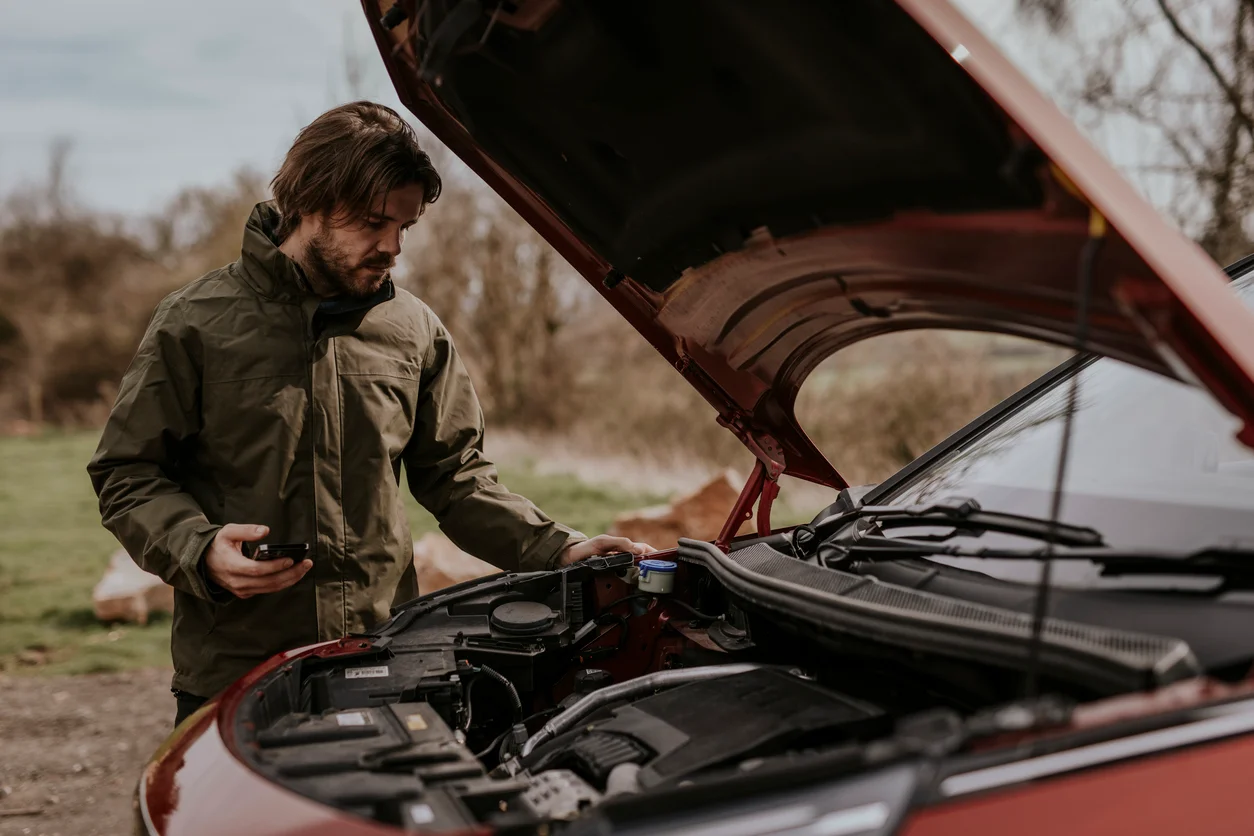
Emergency car repair scenario showing a mechanic working on a vehicle
Emergency Car Repairs: Common Issues & Quick Help
Car trouble never waits for the right moment. Whether it's a dead battery, brake failure, or steering issues, emergency car repairs often strike without warning — and when they do, both drivers and service providers need to act fast.
In this guide, we'll cover:
- What counts as an emergency car repair
- The most common urgent repair types
- How drivers can find help quickly
- How garages can prepare and respond effectively
- How AutoChain supports both sides in these high-pressure moments
What Is Considered an Emergency Car Repair?
Emergency car repairs are unexpected issues that affect the immediate safety, drivability, or legal compliance of a vehicle. These often happen without warning and can leave a driver stranded or unsafe.
Common examples include:
- Brake failure or worn pads
- Steering or suspension breakdown
- Dead battery or faulty ignition
- Radiator or cooling system leaks
- Broken fan belts or serpentine belts
- Blown tyres or flat tyres without a spare
These aren't "fix it when you get a chance" jobs — they're fix it now problems.
3 Common Types of Emergency Car Repairs
1. Brake System Failures
When brakes start grinding, feel spongy, or fail to respond, the vehicle becomes a hazard. Garages must act fast to:
- Replace worn brake pads
- Repair damaged brake lines
- Bleed the brake system
- Check brake fluid levels
Regular maintenance helps, but sudden wear or missed services often lead to brake-related emergencies.
2. Ignition & Battery Issues
Cars that won't start due to a dead battery or faulty starter can leave drivers stranded — sometimes in dangerous places. Emergency ignition system repairs often include:
- Jump-starting or replacing batteries
- Swapping out a failed ignition coil or spark plugs
- Diagnosing a faulty starter motor
Mobile mechanics are especially helpful here — and drivers need fast access to trusted providers.
3. Steering or Suspension Failures
If a car starts pulling to one side or the steering feels loose or unresponsive, it's a serious issue. Garages may need to:
- Replace tie rods, ball joints, or power steering pumps
- Repair steering racks
- Realign wheels and check fluid levels
Steering failures are high-priority jobs and should never be delayed.
What Should Drivers Do in an Emergency?
If your car breaks down or becomes unsafe to drive, follow these steps:
- Pull over safely and put on your hazard lights
- Call for roadside assistance or a mobile mechanic
- Avoid driving further — doing so may make repairs worse or void warranties
- Check AutoChain for trusted garages and service providers nearby
AutoChain helps drivers connect with verified garages, view their real-time availability, and get emergency updates via the app — no need to chase phone calls or search Google in a panic.
How Garages Can Stay Ready for Urgent Repairs
Emergency repairs can be chaotic, especially for busy garages. Here's how to stay efficient:
- Have a real-time scheduling system so you can take urgent bookings
- Use digital job tracking to stay on top of emergency diagnostics and approvals
- Offer mobile or 24/7 support if possible — especially battery, tyre, and brake-related services
- Keep service histories digital to assess recurring issues quickly
AutoChain's garage management software helps garages handle emergency jobs more smoothly with:
- Digital vehicle histories for faster diagnostics
- AutoChain Advance Intelligence reminders to prevent future issues
- In-app messaging and instant job updates
- Easy customer approval for additional work
Get started with AutoChain to streamline your emergency repair workflow.
Why Emergency Repair Records Matter
Logging emergency repairs isn't just about garage management — it's also about building trust.
When drivers can see their full vehicle history, including urgent repairs, it:
- Builds transparency
- Increases resale value
- Helps future garages understand past issues
- Gives drivers peace of mind
With AutoChain, both garages and drivers get a permanent record of every job — big or small.
Final Thoughts
Emergency car repairs are stressful — but with the right tools and systems in place, they don't have to be chaotic. Whether you're a driver in need or a garage on call, being prepared is everything.
🔧 For drivers: Use AutoChain to find trusted service providers, even in emergencies. Track your vehicle's complete service history and get instant access to verified garages when you need help most.
🛠 For garages: Stay ready for urgent repairs with AutoChain's garage management software. Digital tools keep you connected and efficient, even during high-pressure emergency situations. Register your garage today to streamline your emergency repair workflow.
About the Author: Louis Barnes is the Founder & CEO of AutoChain, bringing years of experience in automotive technology and digital service management to help revolutionize how drivers and service providers connect and manage vehicle maintenance.
Frequently Asked Questions About Emergency Car Repairs
What should I always keep in my car for emergencies? A well-prepared emergency kit in your car can significantly reduce the stress and danger of a breakdown. Key items include a high-visibility vest (required by law in some countries, good practice everywhere), a warning triangle to place behind the vehicle, a torch with fresh batteries, a first aid kit, a jump start cable or portable jump starter, a tyre inflation kit or spare tyre with the tools to change it, a phone charger or power bank, a bottle of water, and a basic toolkit (screwdrivers, pliers, adjustable spanner). In winter, add an ice scraper, de-icer, warm blanket, and a small bag of grit or cat litter for traction if stuck in snow. AutoChain's reminder system can alert you when seasonal checks are due.
What do I do if my car breaks down on a motorway? If your car breaks down on a motorway, move as far to the left as possible and, if you can reach it safely, pull into an emergency refuge area or service area. If you must stop on the hard shoulder, switch on hazard lights, exit the vehicle from the nearside door (away from traffic), and move behind the barrier. Never stand behind or near your vehicle on the motorway. Call for recovery using your mobile phone or the orange emergency phones positioned every mile along the motorway. If you are on a Smart Motorway (with no permanent hard shoulder), stay in your vehicle with your seatbelt on and call 999 immediately if you cannot reach a refuge area.
How do I find a reputable emergency breakdown garage? In a breakdown, your primary resource is your breakdown cover provider (RAC, AA, Green Flag, or your insurer's policy). They will dispatch a recovery vehicle and take your car to a local garage if it cannot be repaired roadside. If you are using AutoChain, the Find a Garage feature can help you identify reputable garages in your area that offer emergency or same-day repairs. When selecting a garage for emergency work, look for Motor Ombudsman accreditation, recent Google or AutoChain reviews, and whether they provide written quotes before starting work. Avoid garages that refuse to give a quote or that pressure you into immediate decisions on expensive repairs.
Keep Reading
Related AutoChain articles for the same part of the ownership and workshop journey.
Digital Service History: Boost Car Resale Value
Complete guide to how car service history affects resale value in the UK. Learn why Full Service History (FSH) can increase your car's value by £2,000+ and how to check service history for free.
Does Service History Affect Car Value? UK Guide 2026
Service history can increase car value by up to 25% in the UK. Learn how FSH, PSH, and missing records impact resale prices, with real examples and expert advice.
AA Used Cars UK 2026: Find & Verify Guide | AutoChain
AA used cars near me: Complete guide to finding and buying AA used cars in the UK. Verify vehicle history, compare prices, and protect your purchase with digital service records.