
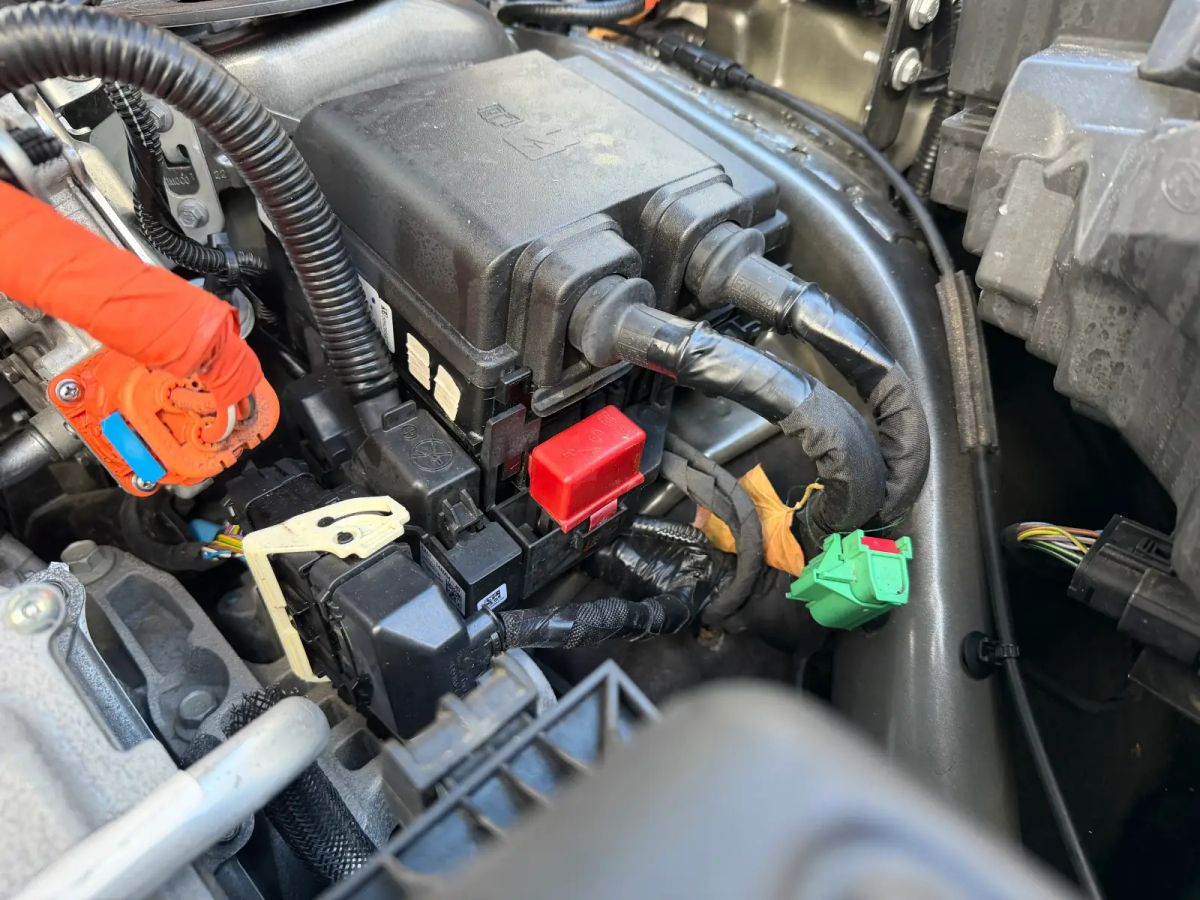
How to Jump Start a Car: Complete UK Guide
Quick Answer: Connect the red cable to the dead battery's positive (+) terminal first, then to the working battery's positive. Connect the black cable to the working battery's negative (-), then to an unpainted metal surface on the dead car. Start the working car, wait 5 minutes, then try starting the dead car.
Getting stuck with a flat battery is one of the most common breakdowns in the UK, especially during cold winter months. The good news? Jump starting a car is straightforward once you know the correct steps.
This guide will walk you through exactly how to safely jump start your car, whether you're using traditional jump leads or a modern portable jump starter.
What You'll Need
Before you start, make sure you have one of these:
Option 1: Jump Leads (Requires Another Vehicle)
Traditional jump leads connect your dead battery to a working car's battery. You'll need:
- A set of quality jump leads (at least 3 metres long)
- Another vehicle with a working battery
- Both cars parked close together but not touching
Option 2: Portable Jump Starter (No Second Car Needed)
A portable jump starter is a self-contained battery pack that can start your car without needing another vehicle. These are brilliant for keeping in your boot for emergencies.
Our Recommended Jump Starters:
NOCO Boost GB20 (~£80)
- Best for smaller cars
- Handles petrol engines up to 4.0L
- Compact enough for your glovebox
NOCO Boost X GBX45 (~£130)
- Best for larger cars and diesels
- Handles petrol up to 6.5L and diesel up to 4.0L
- Also charges phones and laptops via USB-C
How to Jump Start a Car with Jump Leads
Follow these steps carefully to safely jump start your car using another vehicle.
Step 1: Position the Vehicles
Park the working car close to yours so the jump leads can reach both batteries. Make sure the cars aren't touching each other.
Turn off both engines and remove the keys from the ignition. Also switch off any electrical items like lights, radio, and air conditioning.
Step 2: Open Both Bonnets and Locate the Batteries
Find the battery in each car. Most UK cars have the battery under the bonnet, but some models (like certain BMWs and boots-mounted batteries) have it in the boot or under the rear seats.
Look for the positive (+) and negative (-) terminals. The positive terminal usually has a red cover or marking.
Step 3: Connect the Red Cable First
This is the most important step to get right.
- Connect one end of the red cable to the positive (+) terminal on your dead battery
- Connect the other end of the red cable to the positive (+) terminal on the working battery
The red cable should now connect both positive terminals.
Step 4: Connect the Black Cable
- Connect one end of the black cable to the negative (-) terminal on the working battery
- Connect the other end of the black cable to an unpainted metal surface on your car's engine block (not the negative terminal of the dead battery)
Why not connect directly to the dead battery's negative? Batteries can produce hydrogen gas. Connecting directly to the negative terminal could create a spark near the battery, which is a fire risk. Using an unpainted metal surface away from the battery is much safer.
Step 5: Start the Working Car
Start the engine of the working car and let it run for about 5 minutes. This allows the dead battery to receive some charge.
Rev the engine gently to around 2000 RPM to speed up the charging process.
Step 6: Try Starting Your Car
With the working car still running, try to start your car. If it doesn't start immediately, wait another few minutes and try again.
If your car still won't start after several attempts, the battery may be completely dead or there could be another issue.
Step 7: Disconnect in the Correct Order
Once your car is running, disconnect the cables in the reverse order:
- Remove the black cable from your car's metal surface
- Remove the black cable from the working battery's negative terminal
- Remove the red cable from the working battery's positive terminal
- Remove the red cable from your battery's positive terminal
Step 8: Keep Your Engine Running
Drive your car for at least 30 minutes to allow the alternator to recharge your battery. Avoid turning the engine off during short stops.
If your battery keeps going flat, it may need replacing or there could be an electrical fault draining it.
How to Jump Start a Car with a Portable Jump Starter
Using a portable jump starter like the NOCO Boost GB20 or NOCO Boost X GBX45 is even simpler.
Step 1: Check the Jump Starter is Charged
Most portable jump starters have LED indicators showing the charge level. Make sure it's at least 50% charged before attempting to start your car.
Step 2: Connect the Clamps
- Connect the red clamp to the positive (+) terminal on your battery
- Connect the black clamp to an unpainted metal surface on your engine block
Step 3: Turn On the Jump Starter
Switch on the jump starter unit. Most models have a power button that activates the boost function.
Step 4: Start Your Car
Try starting your car as normal. Modern jump starters like the NOCO range are powerful enough to start most cars instantly.
Running a UK garage?
Independent UK garages use AutoChain to win more repeat work, cut admin, and compete with national chains.
Get your first month free →Step 5: Disconnect and Store
Once your car is running, turn off the jump starter and disconnect the clamps (black first, then red). Store the unit safely and remember to recharge it when you get home.
Which Cable First? Red or Black?
Always connect red (positive) first and disconnect it last.
Here's the correct order:
Connecting:
- 🔴 Red to dead battery positive (+)
- 🔴 Red to working battery positive (+)
- ⚫ Black to working battery negative (-)
- ⚫ Black to metal surface on dead car
Disconnecting:
- ⚫ Black from dead car's metal surface
- ⚫ Black from working battery negative (-)
- 🔴 Red from working battery positive (+)
- 🔴 Red from dead battery positive (+)
Safety Tips for Jump Starting
Jump starting is generally safe if done correctly, but there are some important precautions:
- Never smoke near a car battery
- Remove metal jewellery like rings and watches before handling cables
- Don't lean over the battery when connecting cables
- Check for damage – don't jump start a cracked, leaking, or frozen battery
- Keep the cables apart – never let the red and black clamps touch each other
- Read your owner's manual – some modern cars have specific jump starting procedures
- Don't jump start a hybrid or electric vehicle using another car without checking the manual first
Preventing Flat Batteries
Rather than dealing with a dead battery, here are some ways to prevent it happening:
Regular Driving
Batteries charge while you drive. If your car sits unused for weeks, the battery will slowly drain. Try to drive for at least 30 minutes once a week.
Use a Battery Maintainer
If you don't drive regularly, a smart battery charger can keep your battery in top condition. The NOCO GENIUS5 is excellent for home use and works with both 6V and 12V batteries.
For larger vehicles or 24V systems (like some vans and trucks), the NOCO GENIUSPRO25 is a professional-grade option.
Check Your Battery Age
Most car batteries last 3-5 years. If yours is getting old, consider replacing it before it lets you down. You can check the date code on most batteries.
Turn Off Electrical Items
Always make sure your lights, radio, and other electrical items are switched off when you park. Interior lights left on overnight are a common cause of flat batteries.
What If Jump Starting Doesn't Work?
If your car won't start even after jump starting, there could be several issues:
- Completely dead battery – Some batteries are too far gone to hold a charge
- Faulty starter motor – You might hear clicking but the engine won't turn over
- Alternator problems – The battery isn't being charged while driving
- Corroded terminals – Clean the battery terminals and try again
- Blown fuse – Check your car's fuse box
- Fuel system issues – The problem might not be electrical at all
If you're unsure, it's best to call a breakdown service or have a mechanic inspect your car.
Best Jump Starters for UK Drivers
Based on reliability, power, and value, here are our top recommendations:
Best for Small to Medium Cars
Perfect for petrol engines up to 4.0L. Compact enough to keep in your glovebox and features UltraSafe technology to prevent sparks and reverse polarity damage.
- ✅ Compact and lightweight
- ✅ UltraSafe spark-proof technology
- ✅ USB port for phone charging
- ✅ Built-in LED flashlight
Best for Larger Cars and Diesels
Handles petrol engines up to 6.5L and diesel engines up to 4.0L. Features USB-C Power Delivery for fast charging of phones and laptops.
- ✅ Powerful 1250A output
- ✅ Works with diesels
- ✅ USB-C fast charging (60W)
- ✅ Recharges in just 48 minutes
- ✅ 7-mode LED flashlight including SOS
Best Battery Maintainers
NOCO GENIUS5 – 5A Smart Charger
Ideal for keeping your battery healthy during storage. Works with 6V and 12V batteries including lead-acid and lithium types.
NOCO GENIUSPRO25 – 25A Professional Charger
For larger batteries, 24V systems, or professional use. Powerful enough for vans, trucks, and workshop environments.
Frequently Asked Questions
Can I jump start an automatic car?
Yes, automatic cars can be jump started the same way as manual cars. The only difference is you can't bump start (push start) an automatic.
How long should I drive after a jump start?
Drive for at least 30 minutes to give your alternator time to recharge the battery. Motorway driving is ideal as the engine runs at consistent revs.
Can jump starting damage my car?
If done correctly, jump starting is safe. However, connecting cables incorrectly can damage your car's electrical system, which is why following the correct order is so important.
Why does my battery keep going flat?
Common causes include short journeys, electrical items left on, an old battery, a faulty alternator, or a parasitic drain from a faulty component.
Can I use any car to jump start mine?
Generally yes, as long as both cars have 12V batteries (which covers most UK cars). Don't use a 24V vehicle to jump start a 12V car.
Is a portable jump starter worth it?
Absolutely. For around £80-130, you get independence from needing another vehicle, plus most double as power banks for your devices. They're especially valuable in winter or if you often drive alone.
Can you jump start a hybrid vehicle?
Yes, most hybrid cars can be jump started, but check your owner's manual first as the process can differ. Hybrids have a small 12V battery (separate from the main hybrid battery) that can go flat and be jump started normally. Never attempt to jump start the high-voltage hybrid battery itself. Some hybrids have the 12V battery in the boot rather than under the bonnet, with jump start terminals provided under the bonnet for convenience.
Keep Your Service History Updated
If your battery dies and needs replacing, don't forget to record it in your digital service history. With AutoChain, you can log all maintenance including battery replacements, making it easier to track your car's health and prove its history when you come to sell.
Related Articles
- Essential Winter Car Checks for UK Drivers – Prepare your car for cold weather
- What is a Digital Service History – Keep your car records in one place
- Dartford Crossing Closures – Latest updates for your journey
Affiliate disclosure: Some links in this article are affiliate links. If you purchase through these links, AutoChain may earn a small commission at no extra cost to you. This helps support our free content.

Ready to run a smarter garage?
Get your first month free today.
No card required. Get set up in under 10 minutes.