
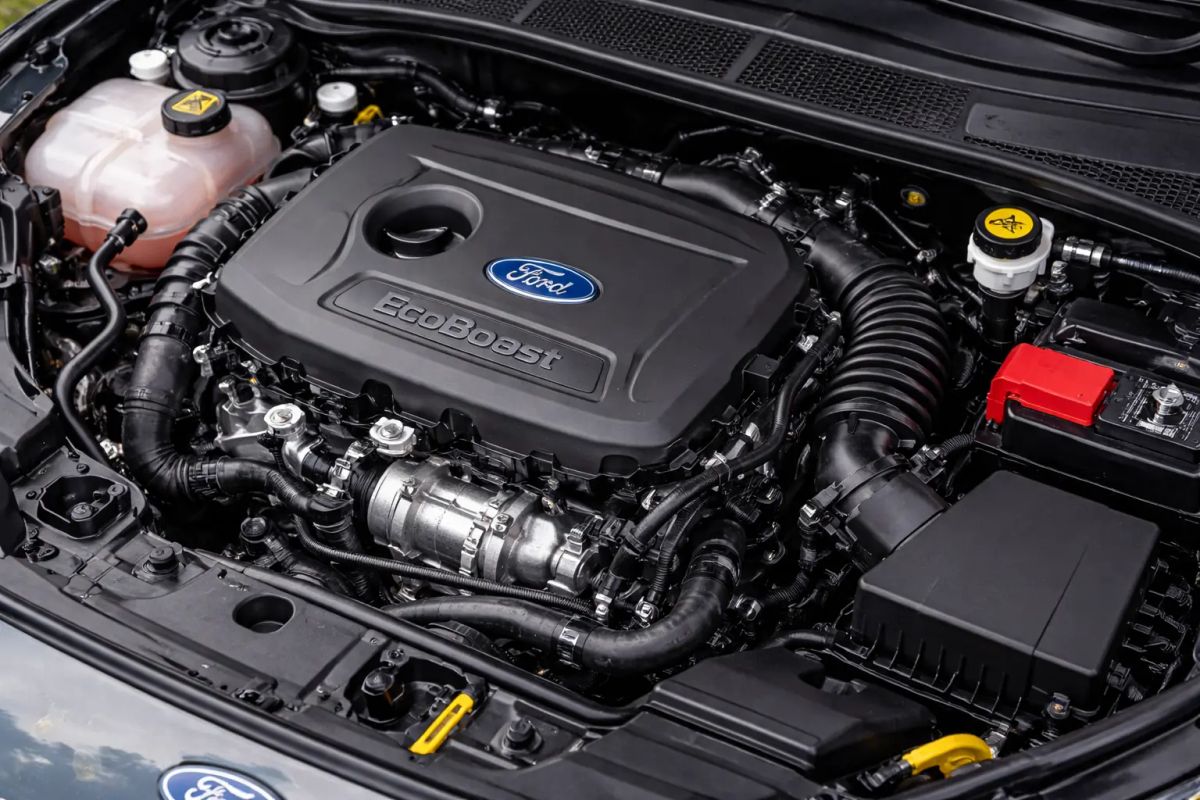
Ford EcoBoost Engine Problems: UK Driver's Guide
The Ford EcoBoost engine family has been a cornerstone of Ford's UK line-up for over a decade. Designed to deliver strong performance from smaller, turbocharged petrol engines, EcoBoost motors promise better fuel economy, lower emissions, and impressive power for their size. However, alongside their popularity, Ford EcoBoost engine problems have become a frequent topic of discussion among UK drivers, mechanics, and used-car buyers.
This article looks at EcoBoost reliability, common issues by engine size, servicing requirements, and which vehicles in the UK market use these engines.
What Is EcoBoost?
EcoBoost is Ford's branding for a range of turbocharged, direct-injection petrol engines. By combining small displacement engines with turbocharging, Ford aimed to balance power, efficiency, and lower running costs.
In the UK, EcoBoost engines are commonly found in everyday cars rather than large trucks or SUVs seen in other markets.
Common Ford EcoBoost Engine Problems
1.0 EcoBoost Engine Problems
The 1.0 EcoBoost is the most talked-about variant in the UK. While praised for efficiency and low road tax bands, it has developed a reputation for several issues:
- Timing belt degradation (wet belt design) - The wet belt design can lead to premature failure and oil contamination
- Oil contamination leading to premature wear
- Overheating caused by coolant hose failures
- Expensive repairs if maintenance schedules are missed
When properly serviced, many owners achieve high mileages, but neglect can result in catastrophic engine failure.
For more detailed information on EcoBoost problems, including wet belt issues and head gasket failures, see our comprehensive guide.
Ford 2.0 EcoBoost Problems
The 2.0 EcoBoost is generally more robust but not problem-free. Reported issues include:
- Carbon build-up on intake valves due to direct injection
- Turbocharger wear at higher mileages
- Cooling system faults in performance-oriented applications
This engine is often found in more powerful models and tends to tolerate harder driving better than smaller EcoBoost units.
Ford 2.7 EcoBoost Problems
In the UK, the 2.7 EcoBoost is rare and mainly associated with imports rather than mainstream models. Reported problems internationally include oil consumption and valve issues, but it's not a major concern for most UK buyers.
Reliability: Are EcoBoost Engines Good or Bad?
EcoBoost engines are not inherently unreliable, but they are maintenance-sensitive. Compared to older naturally aspirated petrol engines, they demand:
- Strict oil change intervals
- Correct oil specifications
- Proactive cooling system checks
Many of the headline Ford EcoBoost problems stem from missed services or extended oil intervals rather than fundamental design flaws.
Servicing Frequency (UK Focus)
For UK driving conditions, recommended servicing is often more frequent than Ford's official maximum intervals:
- Oil and filter changes: every 6,000–8,000 miles
- Timing belt (1.0 EcoBoost wet belt): earlier than the official interval if used mainly for short trips
- Coolant checks: every service
- Spark plugs: more frequently on turbocharged engines
Following these intervals significantly reduces long-term reliability issues.
Maintaining a digital service history helps track these critical maintenance intervals and ensures you never miss an important service.
Running a UK garage?
Independent UK garages use AutoChain to win more repeat work, cut admin, and compete with national chains.
Get your first month free →UK Vehicles That Use EcoBoost Engines
EcoBoost engines are fitted across much of Ford's UK range, including:
- Ford Fiesta – Commonly 1.0 EcoBoost
- Ford Focus – 1.0 and 2.0 EcoBoost
- Ford Puma – Mild-hybrid 1.0 EcoBoost
- Ford Mondeo – 1.5 and 2.0 EcoBoost
- Ford Explorer – Plug-in hybrid EcoBoost variants
These engines are popular in both new and used EcoBoost vehicles across the UK market.
Used EcoBoost: What to Check Before Buying
If you're considering a used EcoBoost, especially a 1.0-litre model:
- Verify full service history with correct oil specifications
- Check for timing belt replacement or inspection records
- Listen for turbo whine or rattles during test drive
- Inspect for coolant loss or warning lights
A well-maintained EcoBoost can be an excellent daily driver, while a neglected one can become costly quickly.
Before purchasing any used vehicle, it's essential to check the car's service history to verify maintenance records and identify any potential issues.
Why Service History Matters for EcoBoost Engines
Service history is particularly critical for EcoBoost engines due to their maintenance-sensitive nature. A complete digital service history provides:
- Proof of regular oil changes with correct specifications
- Timing belt replacement records (critical for 1.0 EcoBoost)
- Coolant system maintenance history
- Turbocharger service records
When selling an EcoBoost vehicle, a full service history can significantly affect car value, making proper record-keeping essential.
Final Thoughts
Ford EcoBoost engines offer strong performance and efficiency, making them a common sight on UK roads. While EcoBoost engine problems do exist—particularly with earlier 1.0-litre units—most issues are preventable with proper servicing and informed ownership.
For UK drivers who maintain their vehicles carefully, EcoBoost engines remain a practical and enjoyable choice, whether new or used.
Why Choose AutoChain for Your Ford EcoBoost Vehicle
Whether you own a Ford Fiesta, Focus, or any other EcoBoost-powered vehicle, AutoChain helps you maintain your car with confidence:
- 📋 Digital Service History - Track all maintenance and repairs in one secure place
- 🔍 Vehicle Checks - Verify service history and identify potential issues before buying
- ⚙️ Service Network - Connect with trusted garages experienced with EcoBoost engines
- 🔔 Maintenance Reminders - Never miss critical service intervals for your EcoBoost engine
Find a garage near you or learn more about our services.
Related Articles
Service History & Maintenance:
- How to Check a Car's Service History in the UK - Complete verification guide
- What is a Digital Service History: 2025 UK Drivers Guide - Understanding digital records
- Does Service History Affect Car Value: UK Complete Guide 2026 - Value protection
- How Often Should You Service Your Car - Maintenance frequency guide
- What Does a Full Car Service Include - Service checklist
Buying Guides:
- Thinking of Buying a Used Car? Don't Skip the Service History - Essential buying guide
- Arnold Clark Used Cars: What Every Buyer Should Know - Trusted dealership guide
- Benefits of Digital Service History When Selling Your Car - Value protection
Vehicle Management:
- Digital Service Records Benefits - Why digital records matter
- How to Check if Your Car Has a Digital Service History - Verification guide
About the Author: The AutoChain Team includes automotive maintenance experts and engine specialists with extensive experience in turbocharged engine servicing and vehicle reliability assessment. Our team is dedicated to helping UK drivers make informed decisions about vehicle maintenance and understand the importance of proper servicing for modern engines.
Frequently Asked Questions
Is the Ford EcoBoost engine reliable long-term?
Ford EcoBoost engines can be reliable long-term when properly maintained, but they are more demanding of maintenance than older naturally aspirated engines. The 1.0-litre three-cylinder unit in particular requires strict adherence to oil change intervals — using the correct specification oil (typically 5W-20 or 5W-30 as specified in the handbook) and replacing it no more than every 10,000 miles or 12 months. The coolant system and timing belt (on 1.0-litre units) need monitoring carefully. Owners who follow the service schedule and address coolant issues promptly tend to achieve high mileages without significant problems. Owners who stretch service intervals or ignore early warning signs tend to experience costly failures.
What oil specification does a Ford EcoBoost engine need?
Ford EcoBoost engines are factory-filled with Ford-approved synthetic oil meeting WSS-M2C913-D specification (typically 5W-30 or 5W-20 depending on the specific variant). Using the wrong oil specification or an inferior oil in a turbocharged direct-injection engine like the EcoBoost can significantly shorten oil life and increase carbon buildup on intake valves. Always consult the vehicle handbook or ask your garage for the correct specification. Cheap oil or incorrect viscosity grades are a common contributing factor in premature EcoBoost failures. Use only fully synthetic oil meeting Ford's specification, and do not extend oil change intervals beyond those in the manufacturer schedule.
Should I buy a used car with a Ford EcoBoost engine?
Yes, with appropriate due diligence. A used EcoBoost car with a complete, verifiable service history from reputable garages at the correct intervals is a reasonable purchase. Avoid examples with gaps in service history, unknown maintenance history, or evidence of overheating (look for water staining around the coolant reservoir or a history of coolant top-ups). A pre-purchase inspection by a qualified mechanic is strongly recommended — specifically ask them to check the coolant system and inspect for signs of oil contamination in the coolant. Examples with low mileage but old oil changes are higher risk than higher-mileage cars with regular servicing.

Ready to run a smarter garage?
Get your first month free today.
No card required. Get set up in under 10 minutes.